GENOVEAN
You noticed it. You have not done anything about it YET!
The shift in your parents' situation has already started. Most families see it coming and still wait. The Quiet Shift Framework gives you a clear way to move from noticing to prepared, before a crisis removes the choice.
THE QUIET SHIFT STORY
The shift does not announce itself.
It starts small. A moment at dinner that you filed away. A question your parent asked twice. A visit that left you with a feeling you could not quite name. You told yourself it was probably nothing.
But the shift keeps going. Without anyone making a decision, your role begins to change. What started as helping out occasionally becomes the thing you are thinking about most weekends. More gets added. It lands on you by default, because no one stops it from landing there. One day you realize you have been carrying this for a while, and the structure holding it together is just you.
That is the Quiet Shift. It does not wait for a convenient moment. Most families do not see it happening until a crisis removes the choice they thought they still had.
THE THREE PHASE FRAMEWORK
Three phases. Every family goes through them, whether they intend to or not.
Not a dramatic realization. The decision to stop explaining away what you are already seeing. Awareness is where you stop filing things away and let yourself look directly at what is changing.
Awareness is where you see it. Acceptance is where you feel what it actually means. Most families stall here. Accepting the reality of what is changing means acknowledging what it will cost. Skipping this phase does not eliminate the cost. It just shows up later as resentment instead of structure.
Preparation is not about covering every possibility. It is about having a direction when something happens. Most families believe they can figure it out when the time comes. That is not a plan. It is the absence of one.
The framework tells you where every family goes. Where Things Stand tells you where yours is right now.
WHERE THINGS STAND DIAGNOSTIC
Eight questions. A clear read on which phase your family is in, and which area needs your attention first. Whether you are still in early Awareness, navigating family tension, managing the day-to-day, or facing gaps in the legal and financial groundwork, you will know where to start.
COURSE PATHWAY
From awareness to a plan your family can follow.
Our courses follow the Quiet Shift Framework. You start where you are, not from the beginning.
Seeing It Cleary
Takes what you have noticed and turns it into a structured record your family can actually use. This is where awareness becomes something written down, specific, and useful.
Getting the Family on the Same Page
Moves awareness into alignment. The work of making sure the people who need to be part of this are actually part of it, before the moment forces the conversation.
Running the Day to Day
Operations, routines, and the day-to-day decisions that come with supporting an aging parent. Turns awareness into a structure your family can actually run.
Money, Legal and the Future
The financial and legal groundwork that most families put off until it is urgent. The documents, decisions, and conversations that need to happen before they have to happen.
Awareness. Acceptance. Preparation. Every course in the framework, in sequence. For families who want to move through the full process, from noticing to fully prepared, without piecing it together over time.
What's included : Seeing It Clearly, Getting the Family on the Same Page, Running the Day-to-Day and Money, Legal and the Future
ABOUT DAVID
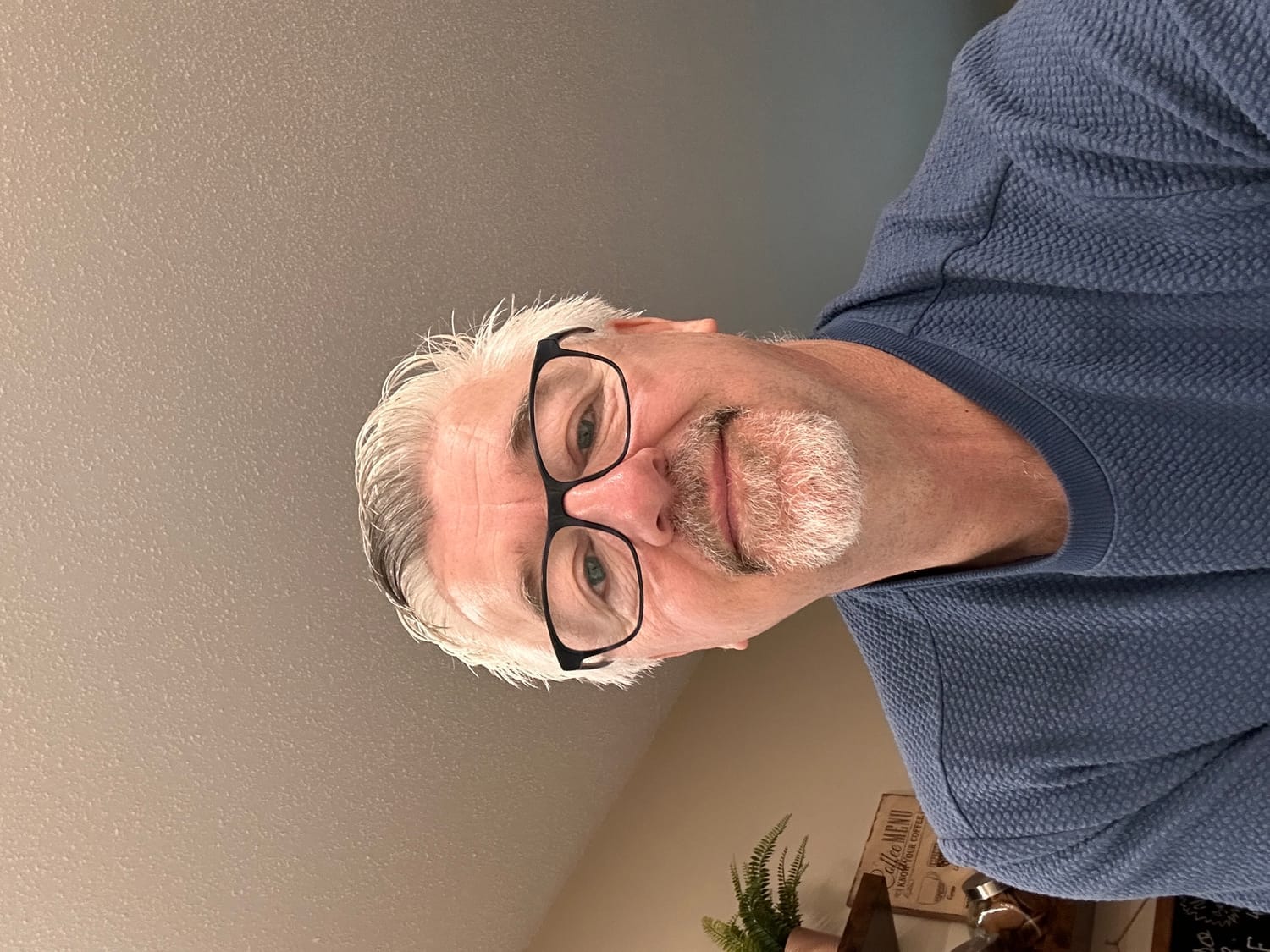
I built Genovean because I have watched this happen. The shift starts quietly. Families see it coming and still wait, not because they do not care, but because no one gave them a way to turn what they are seeing into something they can act on.
The Quiet Shift Framework is that way. Not a checklist. Not a crisis response. A structured path from noticing to prepared, built specifically for adult children navigating what it means to support an aging parent before the choices disappear.
If you are somewhere in that space right now, noticing things, feeling the weight of it, not sure what to do first.
Where Things Stand is where you start.